

Sliding Door Coverings Guide for Coastal Homes

A sliding door can bring in the sea breeze, garden views and beautiful natural light - but it can also turn a room hot, glary and exposed by mid-afternoon. This sliding door coverings guide is designed for Bundaberg and Bargara homes, where the right finish needs to look good while standing up to strong sun, humidity and everyday family life.
The best choice is rarely about copying a look from a showroom. It comes down to how you use the door, which direction it faces, where the sun hits, and whether privacy, insulation or easy access matters most. A well-fitted covering should feel like part of the home, not something you have to wrestle with every time you step outside.
Start with the way your sliding door works
Before settling on fabric, colour or style, think about the practical details. Does the door open several times a day for the kids, dog or washing? Is it the main path to an alfresco area? Does one panel slide behind the other, or do multiple panels stack to one side? These details affect how the covering should open and where it sits when not in use.
A door that leads to a frequently used patio needs a treatment that moves easily and clears the opening without catching on handles or tracks. A large living-room slider may need stronger glare and heat control, particularly on a western wall. For a bedroom slider, privacy may be the first priority, with blockout fabric often making more sense than a purely decorative option.
Measure more than the glass. The surrounding wall space, architraves, pelmets, ceiling height and the location of door handles all influence the finished result. This is one reason a site measure is valuable: it catches the small details that can make an otherwise lovely product awkward to use.
Sliding door coverings guide: match the product to the room
There is no single best covering for every sliding door. Each option brings a different balance of light control, privacy, access and style.
Curtains and sheers for softness and flexibility
Curtains are a popular choice for wide doors because they naturally suit large openings. When made to the right width and hung correctly, they can stack neatly away from the doorway and create a warm, finished look in living rooms and bedrooms.
Blockout curtains are especially useful where afternoon heat or early morning light is an issue. They add softness to hard surfaces and can improve the sense of comfort in a room. For a lighter daytime feel, pair them with sheers. Sheers filter harsh sunlight and soften views into the home while still allowing daylight through.
The trade-off is stack-back space. Curtains need room beside the door when open, so they may not suit a narrow wall or a door positioned close to a corner. The track also needs to be selected and installed with care so the curtain glides smoothly rather than fighting against a door handle or furniture placement.
Verishades for easy movement through the doorway
Verishades offer the softness of a curtain with the practical operation of a blind. Their individual fabric folds can be moved aside easily, making them a good fit for doors used often throughout the day. You can walk through them without needing to draw the entire covering open first.
They provide flexible light control, too. Turn the vanes to reduce glare, open them for a clearer view, or draw them across for added privacy. This makes Verishades particularly useful for open-plan living areas where a sliding door is part of the daily traffic flow.
They are not always the strongest blockout solution for a dark bedroom, and the fabric choice matters in bright rooms. But for homeowners who want a clean, modern look without sacrificing easy access to the patio, they are worth considering.
Roller blinds for clean lines and practical control
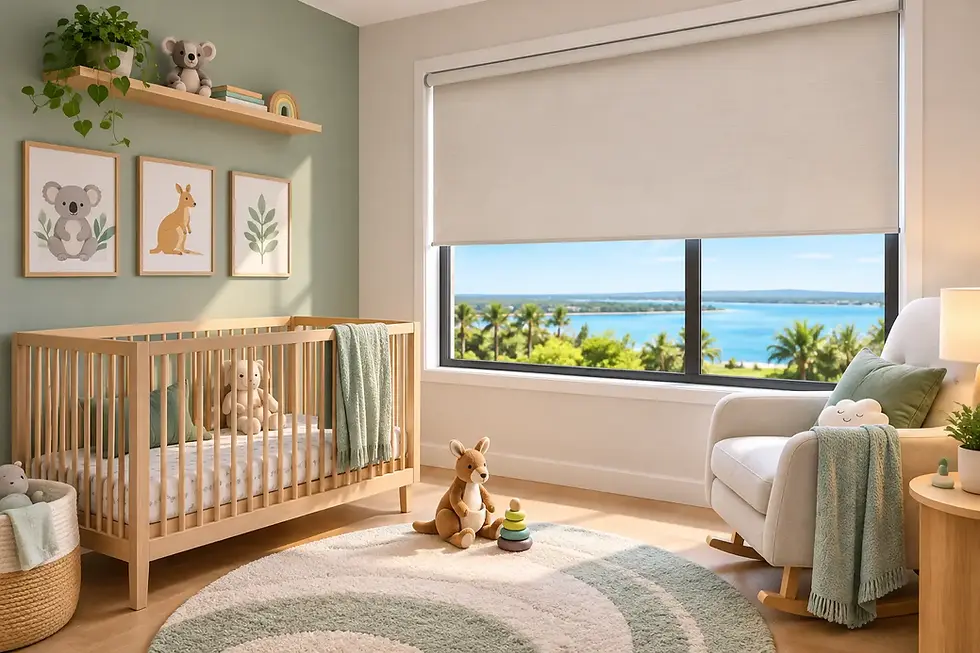
Roller blinds suit contemporary homes and rooms where a simple, uncluttered finish is the goal. They can be made in sunscreen fabric to reduce glare and UV exposure while keeping a view out, or in blockout fabric for more privacy and darkness.
On a sliding door, roller blinds are commonly fitted as separate blinds across the panels. This gives flexibility, as you can lower one section for sun control and leave another raised for access. It also means the placement needs to be planned carefully. A blind lowered across the active door panel will need to be raised before you walk outside.
For many homes, a dual system works well: sunscreen blinds for daytime and blockout blinds for night. It is a practical answer for a west-facing lounge, but it does require enough room for two brackets and a neat installation.
PVC shutters for a tailored architectural finish
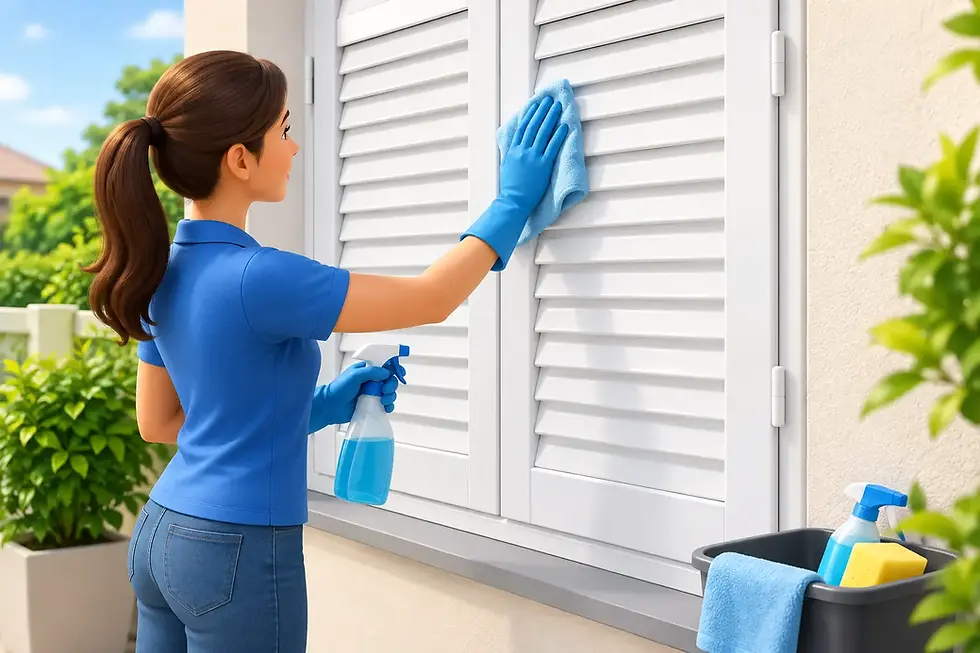
PVC shutters give sliding doors a structured, timeless appearance and are well suited to areas where moisture and easy cleaning are part of the equation. They can bring a polished feel to bathrooms, bedrooms and living spaces, while adjustable louvres let you manage privacy and daylight.
For sliding door openings, shutters need the right configuration to avoid restricting access. Depending on the door and available space, panels may slide on a track or fold back. The look is substantial and highly tailored, but it is not always the best choice where every centimetre of opening width is needed or where the door is used constantly by young children and pets.
Outdoor Zipscreens for patios and entertaining areas
If the problem sits outside the glass, an outdoor blind can be the better answer. Zipscreen blinds create a more usable alfresco space by cutting glare, heat, wind and insects without closing off the outlook completely. They are particularly helpful around patios, decks and outdoor dining areas that cop the afternoon sun.
For a sliding door opening onto an alfresco, outdoor screening can work alongside indoor curtains, sheers or blinds. The outdoor blind manages the weather before it reaches the glass, while the indoor treatment gives you privacy and a finished interior look after dark. It is a considered combination for coastal homes where entertaining outside is part of the lifestyle.
Choose fabric and colour for the Queensland climate
Colour is not just a decorating decision. Dark fabrics can create a strong, modern contrast and may improve outward visibility with sunscreen materials during the day. Lighter colours often feel cooler and more relaxed, which suits coastal interiors, but their glare performance depends on the fabric weave and openness.
Sunscreen fabric is ideal when the view is worth keeping and daytime privacy is less of a concern. Remember, however, that sunscreen blinds do not provide the same privacy at night when interior lights are on. If the home is close to neighbours or faces a footpath, you will likely want a second layer such as blockout curtains or blinds.
For doors exposed to long periods of direct sun, ask about fabrics designed for UV resistance and local conditions. Quality materials and careful specification make a difference to how a covering performs and looks over time.
Do not overlook the finish
The visual difference between an off-the-shelf covering and a custom-installed solution is often in the details. Tracks should run straight, brackets should be secure, hems should sit evenly, and fabric should clear the floor without dragging. On wide doors, even a small measurement error can become obvious.
Consider where controls will sit, whether a chain needs child-safe tensioning, and how easily everyone in the household can operate the covering. Motorisation can be a worthwhile option for very wide or hard-to-reach doors, although a quality manual system remains a sensible, dependable choice for many homes.
A local consultation also helps you see samples in your own light. A fabric that looks perfect indoors at a display can read differently against your flooring, paint colours and the strong Queensland sun coming through the glass.
Make the choice feel easy
Start with the one issue you most want to solve. If it is heat and glare, sunscreen rollers, blockout curtains or outdoor Zipscreens may lead the conversation. If it is a busy access point, Verishades or well-planned curtains may be the better fit. If you want a long-lasting architectural statement, custom shutters could be right for the space.
The most successful sliding door coverings do not ask you to compromise on how you live. They give you shade when the sun is fierce, privacy when the lights come on, and an easy path outside when it is time to enjoy the fresh air. At Keast Shutters & Blinds, that is the practical, made-with-you-in-mind approach: choose a finish that suits your home, then make sure it is measured and installed to perform beautifully for years to come.

Comments