

Selecting Sunscreen Blind Fabrics for Your Home

The afternoon sun that pours across a Bundaberg lounge room can make a beautiful view difficult to enjoy. It creates glare on the TV, fades furnishings over time and leaves one side of the home feeling far warmer than it should. Selecting sunscreen blind fabrics is about getting that light under control without shutting out the view, natural brightness or easy-going feel of your home.
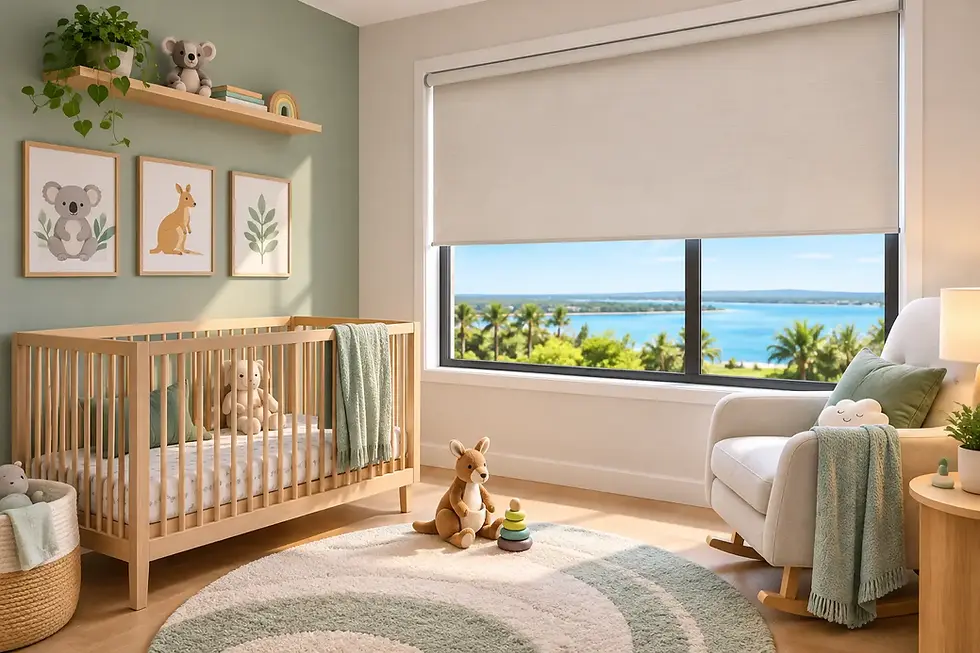
Sunscreen roller blinds are a popular choice for coastal Queensland homes because they filter sunlight through a woven fabric rather than blocking it completely. The right fabric can soften harsh glare, offer daytime privacy and help make a room more comfortable. The wrong choice can leave you wishing for more privacy at night, a clearer outlook or stronger heat control.
Start with how you use the room
Before choosing a colour or texture, think about what happens in the space throughout the day. A west-facing family room with large windows has different needs to a quiet bedroom, a kitchen overlooking the yard or a home office where screen glare is the main frustration.
In living areas, most homeowners want a fabric that maintains the outlook while taking the edge off the sun. In an office, reducing glare may matter more than preserving every detail of the view. Bedrooms often need a layered solution, with sunscreen blinds for daytime use and blockout curtains or a second blockout blind for sleeping.
This is where a custom approach makes a difference. A fabric that looks right on a small sample can behave very differently across a wide, sun-facing window. Looking at the room’s orientation, window size and daily use helps turn a good-looking choice into one that works well year-round.
Openness factor matters when selecting sunscreen blind fabrics
The main technical choice in sunscreen fabric is its openness factor. This refers to the amount of open space in the weave. A lower openness fabric has a tighter weave, while a higher openness fabric has a more open weave.
A tighter fabric, such as a 1% or 3% openness option, gives stronger glare reduction and better daytime privacy. It is often a sensible choice for rooms with intense western sun, television rooms or windows close to neighbours. The trade-off is that the view is slightly more filtered and the room can feel a little darker.
A 5% openness fabric is a common middle ground. It provides useful daytime shade and helps retain a reasonably clear view outside. For many living rooms and dining spaces, it offers the relaxed balance people are looking for.
More open fabrics, such as 10%, let in more natural light and give a clearer outlook. They can suit a covered patio-facing room or a window that does not receive strong direct sun. However, they offer less glare control and less privacy, so they are not always the best fit for exposed windows.
There is no single best percentage for every home. A family room looking towards the ocean may benefit from a different weave to a street-facing window only a few metres away. The best decision comes from matching the openness to the sun, the view and the level of privacy you need.
Understand daytime and night-time privacy
Sunscreen fabric is excellent for daytime privacy because it is generally easier for people outside to see the brighter exterior than to see into your home. During the day, you can enjoy filtered light and a degree of privacy without completely closing off the room.
At night, that relationship changes. Once the lights are on inside and it is dark outside, sunscreen blinds do not provide complete privacy. Silhouettes and movement may be visible, particularly with a more open weave.
For bedrooms, bathrooms or rooms facing a neighbour or busy street, it is worth planning for night-time privacy from the start. Pairing sunscreen roller blinds with blockout curtains, sheers or a second blind gives you far more flexibility. You can enjoy the outlook and soft daylight during the day, then close the room off when you need to.
This layered look can also add warmth and texture to a room. It is practical, but it need not feel overly formal or fussy.
Choose colour for performance as well as style
Fabric colour affects the look of the room, but it also changes how you experience light and the view. Darker sunscreen fabrics often provide a sharper view through the blind because they reduce reflected light. They can be a strong choice for windows with a lovely garden, coastal outlook or pool area that you want to keep connected to the room.
Lighter fabrics create a softer, brighter feel and work beautifully with pale walls, timber finishes and relaxed coastal interiors. They can make a smaller room feel open, although they may not offer the same level of outward visibility in bright conditions as a darker fabric.
Neutral shades such as soft grey, sand, stone and warm white tend to remain easy to live with as furniture and paint colours change. That does not mean every blind needs to disappear into the background. A deeper charcoal or textured weave can give a window more definition, particularly in a modern home.
It is also worth viewing samples against your walls and windows, not just under showroom lighting. The Queensland sun can pull out undertones that are easy to miss indoors. A colour that appears cool grey in a sample book may read warmer once it is installed beside cream paint and natural timber.
Consider heat, glare and UV protection together
Sunscreen blinds help manage direct sunlight, but their performance depends on the fabric, the window’s direction and what sits outside the glass. A tightly woven fabric can reduce the feeling of glare and help limit the amount of solar energy entering a room. This can make the space more pleasant to use, especially during the hotter months.
For very exposed windows, indoor blinds may be just one part of the answer. External shading, such as a well-designed outdoor blind or awning, stops sunlight before it reaches the glass and can provide another level of protection. This is particularly useful for patios, entertaining spaces and large west-facing openings.
Inside, sunscreen roller blinds are a neat, practical option where you still want daytime light. They can also help protect timber floors, artwork and soft furnishings from the harshest sun, although no window covering removes all UV exposure. If fading is a major concern, talk through the specific window and its exposure before making a final selection.
Don’t overlook fabric quality and finish
A sunscreen blind is used every day, often across wide windows and doors. Fabric quality, the roller system and accurate installation all affect how it looks and performs over time. A custom-made blind should sit neatly, roll smoothly and be measured to suit the opening, trims and surrounding finishes.
This is especially important in homes with slightly uneven walls, large spans or renovation details that do not suit an off-the-shelf blind. A careful measure can identify where a recess fit will work best, where a face fit is needed and whether paired blinds will give a cleaner result on a wide opening.
The finished look is about more than the fabric itself. Chain position, bottom rails, bracket placement and how the blind aligns with nearby curtains or shutters all contribute to a polished result. These are the small details that make a room feel properly finished rather than simply covered.
See samples in your own home
The most useful time to choose sunscreen fabric is when you can hold samples at the actual window. Look at them in morning light, afternoon light and with interior lights switched on. Stand outside as well as inside if privacy is a priority.
At Keast Shutters & Blinds, we help homeowners work through these practical choices with a free quote and advice based on the way their home is used. Australian-made, made-to-measure solutions give you the freedom to choose a fabric that suits the room rather than settling for what happens to be on the shelf.
A sunscreen blind should let your home feel lighter, calmer and easier to live in. Choose the fabric that suits your view, your privacy and the Queensland sun at your windows, and you will notice the difference every day.

Comments